
How are forgings applied in mechanical manufacturing, and what are their advantages and limitations?
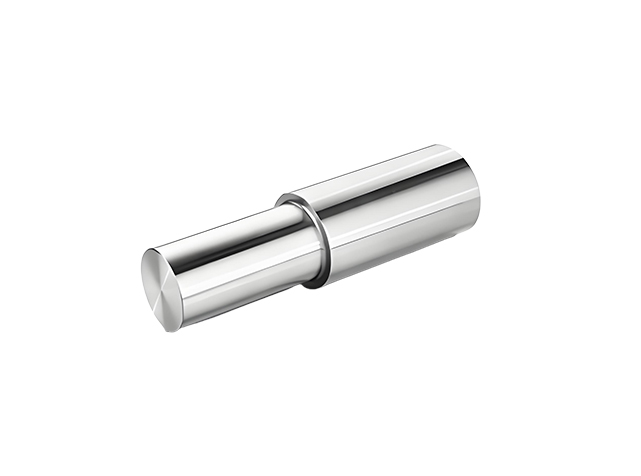
Forging is a common metal processing technique widely used in mechanical manufacturing. It involves heating metal materials and plastically deforming them into specific shapes using molds. Forgings can be utilized to manufacture various components such as shafts, gears, and connecting rods, offering the following advantages and limitations.
Advantages:
High Material Strength: During the heating and plastic deformation process, the metal material develops a fine and dense grain structure, enhancing its strength and toughness. Compared to other processing methods, forged components generally exhibit higher strength and superior mechanical properties.
Excellent Surface Quality: The intense pressure and impact during forging eliminate internal gases and impurities in the material, resulting in high surface quality. This is particularly important for components requiring high precision and smooth surfaces.
High Material Utilization: Forging uses metal billets whose volume and shape can be precisely designed according to component requirements. Compared to other precision machining processes such as milling and turning, forging offers higher material utilization.
Wide Adaptability: Forging can process various metal materials, including steel, aluminum, copper, and nickel alloys. Whether it's low-carbon steel, alloy steel, or high-temperature alloys, they can be processed into the desired components through forging.
Limitations:
High Cost: Compared to other metal processing methods, forging involves higher equipment and production costs. The process typically requires precision metal molds and large cooling equipment, along with significant energy consumption during processing.
Design Limitations: Since forging is performed using molds, the shape and size of components are subject to certain constraints. Complex shapes and fine details may be difficult to achieve through forging.
High Process Requirements: Forging demands skilled operators with extensive experience. Additionally, the process requires strict control over parameters such as temperature, pressure, and deformation speed, necessitating precise process management.
Low Efficiency for Single-Piece Production: Forging is typically suited for batch production, as the process is inefficient for manufacturing individual components. Designing and producing molds for forging requires considerable time and cost.
In summary, forgings offer excellent strength and surface quality in mechanical manufacturing, making them suitable for batch production and components with high mechanical performance requirements. However, the cost and technical demands of forging are relatively high, and there are certain limitations on part shapes and sizes. Therefore, practical applications should be chosen based on specific circumstances.
If you wish to learn more, please visit our website for more professional information!
