
How Does Forging Process Improve the Strength and Hardness of Products?
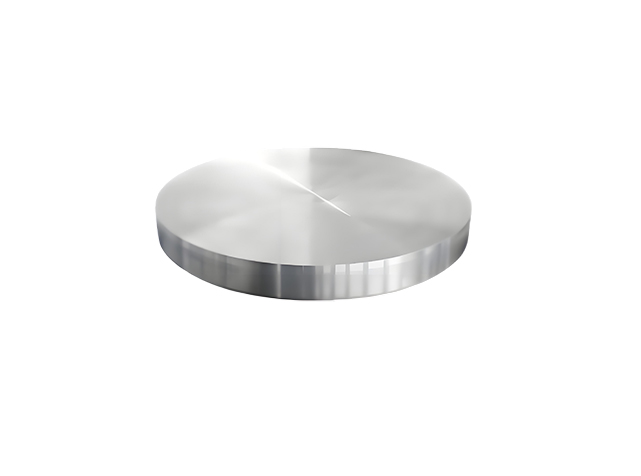
Forging is a common metal processing technique that enhances the strength and hardness of products through plastic deformation and heat treatment of metal materials. Here are some common forging processes that help improve product strength and hardness:
Deformation Control During Forging: By adjusting parameters such as deformation amount, deformation speed, and temperature during forging, the grain structure and dislocation density of the metal can be altered, thereby improving the product's strength and hardness. Generally, greater deformation and higher deformation rates contribute to enhanced strength and hardness.
Selection of Heat Treatment Processes: Metal products after forging often undergo heat treatment to further improve strength and hardness. Common heat treatment methods include quenching, tempering, and normalizing. Quenching rapidly cools the metal to form a harder martensitic structure, increasing product hardness. Tempering and normalizing involve controlled heating and holding to partially or fully transform martensite into more ductile structures like bainite, cementite, or pearlite, thereby improving toughness and strength.
Rational Selection of Metal Materials: Different metal materials exhibit varying mechanical properties and heat resistance. Therefore, it is essential to choose the appropriate metal material based on specific application scenarios and requirements. Generally, metals with high strength and hardness offer better product performance.
Appropriate Post-Processing Techniques: After forging and heat treatment, subsequent machining processes such as cutting, grinding, and polishing can further enhance surface quality and dimensional accuracy, improving the overall performance of the product.
Optimization of Design and Process Parameters: By optimizing forging parameters such as temperature, cooling rate, and forging speed, defects and stress concentration in the metal can be minimized or avoided, thereby enhancing product strength and hardness.
In summary, the strength and hardness of forged products can be improved through rational material selection, optimized process parameters, controlled deformation, appropriate heat treatment, and suitable post-processing. Additionally, forging processes should be adjusted and optimized based on specific product requirements and application scenarios to best meet user needs.
If you wish to learn more about this topic, please visit our website for more professional information!
